Why Does My House Smell Like Sewer in the Summer?
Few things are more unpleasant than walking into your home on a hot summer day and being greeted by the smell of sewage. While sewer odors can occur at any time of the year, they tend to become much more noticeable during the warmer months, especially in North Georgia, where high temperatures, humidity, and increased water usage can all contribute to plumbing odor problems.
The good news is that sewer smells are not something you have to live with. In many cases, the issue is relatively simple to diagnose and repair. However, persistent sewer odors may also indicate a more serious plumbing problem that should be addressed before it leads to costly repairs or creates unhealthy indoor air conditions.
In this guide, we'll explain why sewer odors become more common during the summer, the most common causes, how to identify the source of the smell, and when it's time to call the professional plumbers here at Gainesville Plumbing.
Quick Answer: Why Does My House Smell Like Sewer in the Summer?
The most common causes of summer sewer odors include:
- Dry plumbing traps
- Evaporation caused by heat
- Clogged drains
- Sewer line blockages
- Damaged sewer pipes
- Plumbing vent problems
- Bacteria buildup inside drains
- Garbage disposal odors
- Floor drains that haven't been used
- Septic system issues (for homes with septic systems)
Most sewer odors can be corrected once the underlying plumbing issue is identified.
Why Sewer Odors Become Worse During Summer
Summer creates the perfect environment for plumbing odors to become more noticeable.
Higher temperatures accelerate the growth of bacteria inside drains, increase evaporation from plumbing traps, and intensify the smell of sewer gases. Increased household activity, frequent guests, extra laundry, and heavier water usage can also place additional stress on your plumbing system.
North Georgia's combination of heat and humidity often makes plumbing odors much stronger than they are during cooler months.
Fortunately, understanding why these odors occur is the first step toward eliminating them.
What Causes Sewer Gas?
Sewer gas is a mixture of gases produced by decomposing waste inside municipal sewer systems and private septic systems.
Although small amounts of sewer gas are normal within plumbing systems, your home's plumbing is specifically designed to keep these gases outside your living space. When something disrupts that system, unpleasant odors can enter your home.
In addition to smelling bad, sewer gas may contain gases such as methane and hydrogen sulfide. While occasional mild odors are usually caused by plumbing maintenance issues, persistent or overwhelming sewer smells should always be investigated by a licensed plumber.
1. Dry P-Traps Are the Most Common Cause
Every sink, shower, bathtub, floor drain, and laundry drain contains a P-trap.
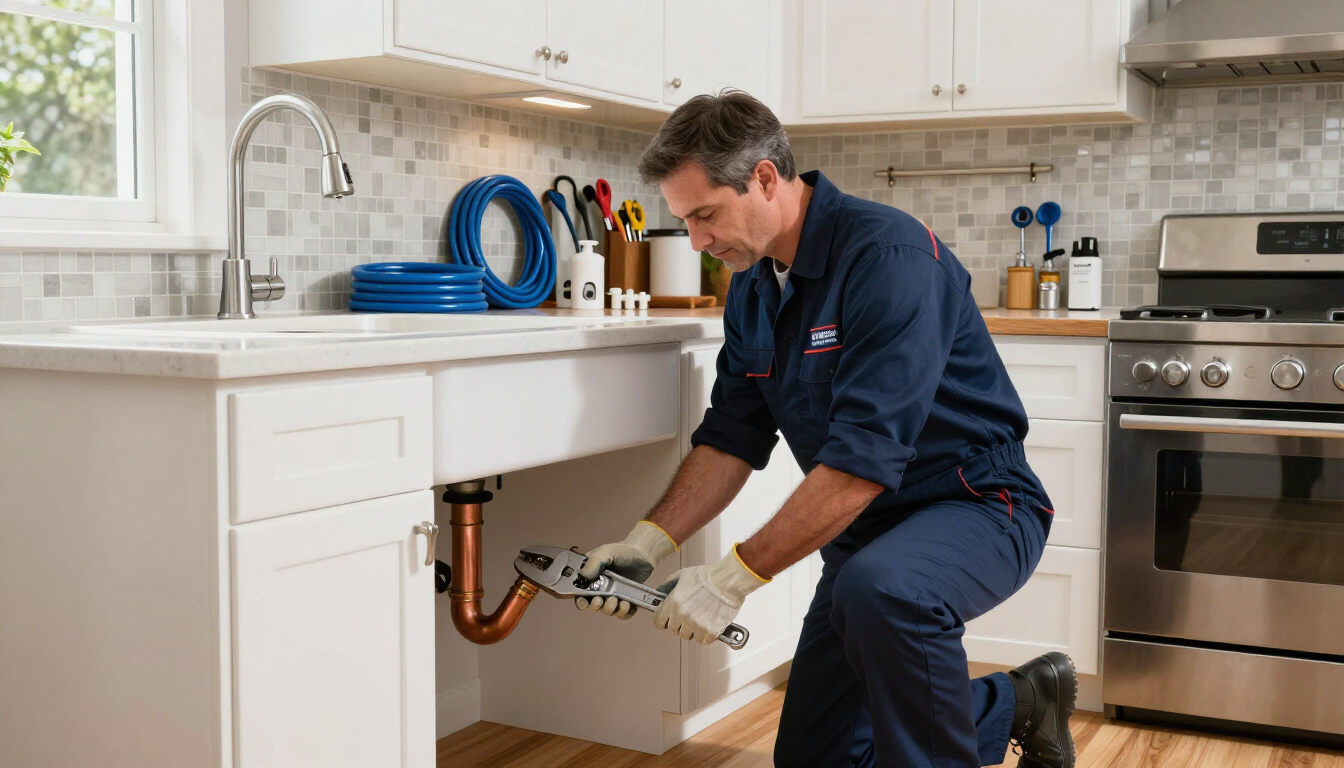
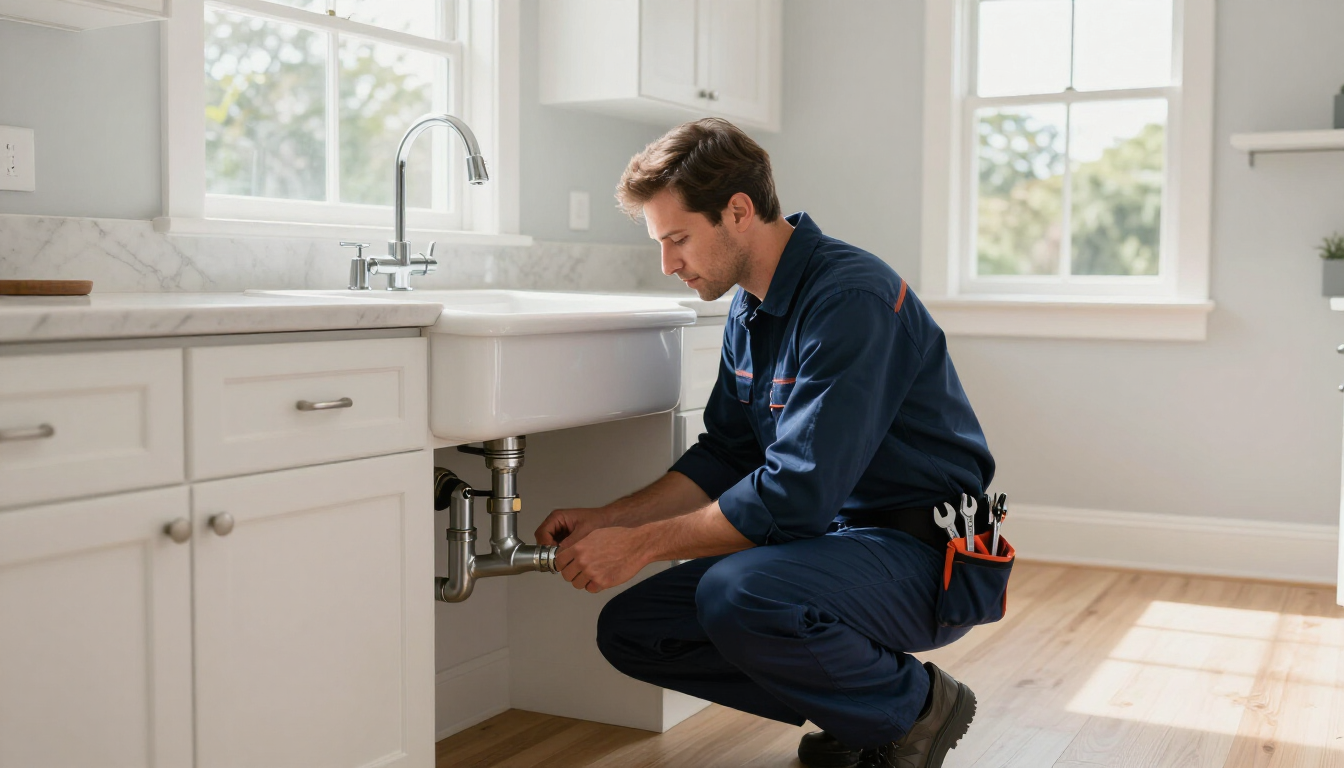
A P-trap is the curved section of pipe beneath the fixture that holds a small amount of water.
That water creates a seal that prevents sewer gases from entering your home.
When a drain isn't used for several weeks, especially during hot summer weather, the water inside the trap can evaporate.
Once the trap dries out, sewer gas has a direct path into your home.
Common Fixtures with Dry Traps
- Guest bathroom sinks
- Basement floor drains
- Garage drains
- Utility sinks
- Vacation homes
- Guest showers
- Laundry room floor drains
Easy Solution
Simply run hot water into the drain for 30 to 60 seconds. For infrequently used drains, pouring a small amount of mineral oil into the trap after adding water helps slow future evaporation.
2. Clogged Drains and Organic Buildup
Not every unpleasant odor is actually sewer gas.
Kitchen sinks, bathroom drains, and shower drains often develop a thick layer of organic material inside the drainpipe.
This buildup can include:
- Soap scum
- Hair
- Food particles
- Grease
- Toothpaste
- Shampoo residue
- Skin oils
During the summer, bacteria feed on this material more quickly, producing foul odors that resemble sewage.
Professional drain cleaning removes the buildup instead of simply masking the smell.
3. Garbage Disposal Odors
Garbage disposals are another frequent source of unpleasant kitchen odors.
Food particles often become trapped beneath:
- The splash guard
- Grinding chamber
- Drain connections
As temperatures rise, bacteria multiply rapidly, producing strong odors.
Foods That Commonly Cause Disposal Odors
- Meat scraps
- Grease
- Onion skins
- Potato peels
- Pasta
- Rice
- Coffee grounds
Cleaning the disposal regularly and avoiding grease helps prevent odor buildup.
4. Blocked or Damaged Plumbing Vent Pipes
Every home's plumbing system includes vent pipes that extend through the roof.
These vents allow sewer gases to safely escape outdoors while maintaining proper air pressure inside the plumbing system.
If a vent becomes blocked by:
- Leaves
- Bird nests
- Debris
- Animal activity
the plumbing system may begin pulling sewer gases back into the home.
Signs of Vent Problems
- Gurgling drains
- Slow drainage
- Sewer odors
- Bubbling toilets
- Multiple fixtures draining poorly
Vent problems should always be evaluated by a professional plumber.
5. Sewer Line Blockages
A partially blocked sewer line is one of the more serious causes of sewer odors.
Common causes include:
- Grease buildup
- Tree root intrusion
- Pipe collapse
- Foreign objects
- Flushable wipes
- Aging sewer lines
As wastewater struggles to move through the system, gases may begin escaping through drains or plumbing fixtures.
Additional warning signs include:
- Multiple slow drains
- Toilets backing up
- Gurgling fixtures
- Water backing up into showers
- Sewage around outdoor cleanouts
Prompt sewer line inspections can prevent a complete sewer backup.
6. Cracked or Damaged Sewer Pipes
Older homes throughout North Georgia may have aging sewer lines made from clay, cast iron, or other materials that deteriorate over time.
Cracks allow sewer gases to escape before wastewater even reaches the municipal sewer system.
Tree roots frequently exploit these small openings, making the problem progressively worse.
Professional camera inspections help identify damaged sewer lines without unnecessary excavation.
7. Toilet Wax Ring Failure
Each toilet sits on a wax ring that seals the connection between the toilet and the drain pipe.
When the wax ring deteriorates, sewer gases may escape around the base of the toilet.
Signs include:
- Sewer smell near the toilet
- Moisture around the base
- Toilet rocking slightly
- Water leaking after flushing
Replacing a failed wax ring is typically a straightforward repair when addressed early.
8. Floor Drains That Haven't Been Used
Many homeowners forget about floor drains until an odor develops.
Common locations include:
- Basements
- Garages
- Utility rooms
- Mechanical rooms
- Older laundry rooms
These drains often dry out during summer months.
Adding water every few weeks keeps the trap sealed and prevents sewer gas from entering the home.
9. Septic System Problems
For homes served by septic systems, sewer odors may indicate:
- A full septic tank
- Drain field issues
- Venting problems
- Broken septic components
- Overflow conditions
Additional symptoms may include:
- Slow drains
- Standing water outdoors
- Sewage odors near the yard
- Gurgling toilets
Routine septic maintenance helps prevent these problems.
10. Increased Summer Water Usage
Summer often brings:
- Visiting family
- Kids home from school
- More laundry
- More showers
- Outdoor watering
- Additional cooking
This increased demand places greater stress on your plumbing system.
Minor problems that go unnoticed during other seasons often become much more obvious during periods of heavy use.
How to Prevent Summer Sewer Odors
Preventative maintenance goes a long way toward keeping your plumbing system odor-free.
Run Water in Every Drain
Use every sink, shower, and floor drain at least once every few weeks.
Schedule Professional Drain Cleaning
Removing grease, soap buildup, and debris helps eliminate odor-producing bacteria.
Avoid Pouring Grease Down the Drain
Grease hardens inside plumbing pipes and traps food particles that eventually begin to decompose.
Clean Your Garbage Disposal Monthly
Use:
- Ice cubes
- Baking soda
- White vinegar
- Citrus peels
Avoid harsh chemical cleaners.
Have Your Sewer Line Inspected
Older homes or homes with mature trees benefit from periodic sewer camera inspections.
Early detection prevents larger repairs.
Maintain Your Septic System
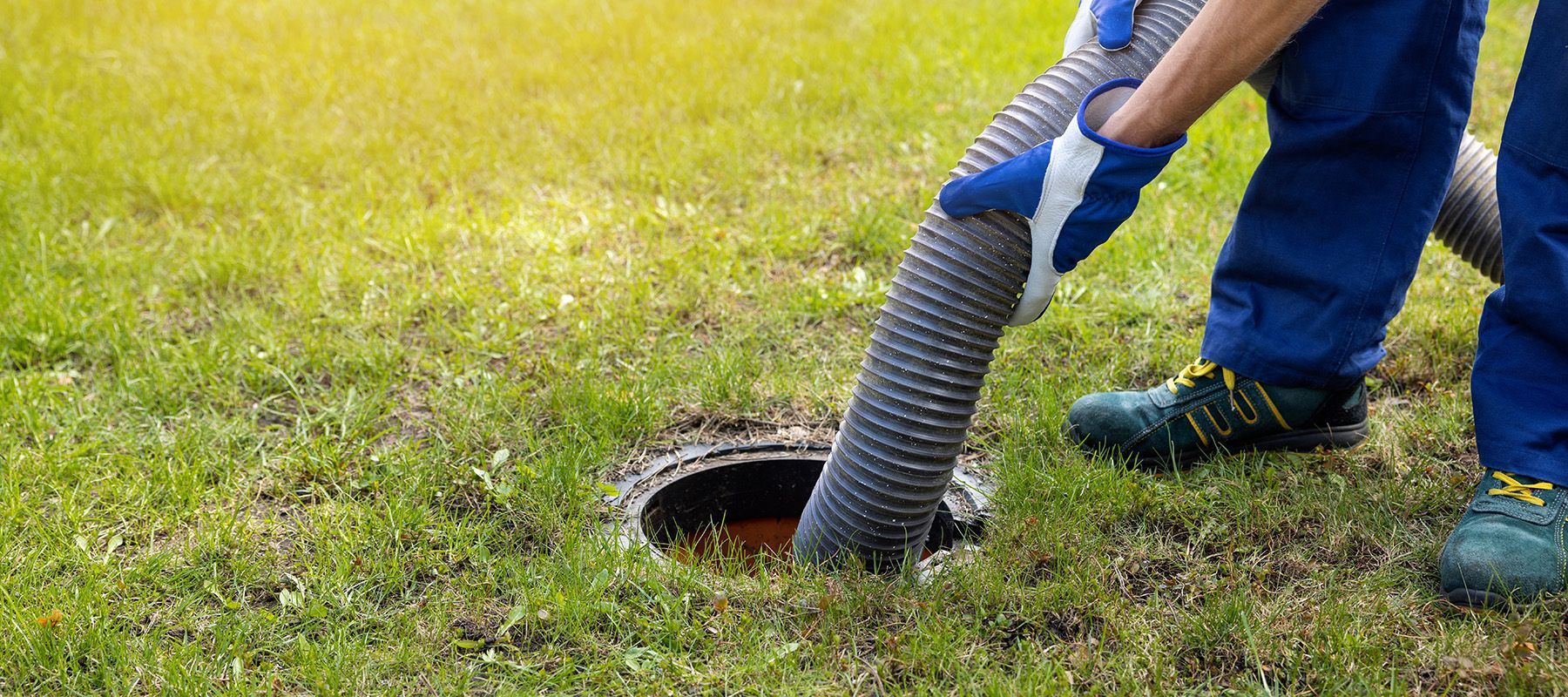
If your home has a septic tank, regular pumping and inspections help prevent odor problems before they begin.
When Should You Call a Professional Plumber?
While some odors disappear after running water into a drain, persistent sewer smells should never be ignored.
Call a plumber if you notice:
- Sewer odors lasting more than a day
- Multiple drains smelling
- Gurgling toilets
- Sewage backups
- Slow drains throughout the home
- Wet areas in the yard
- Repeated drain clogs
- Water backing up into showers
- Sewer smell near your foundation
Professional plumbers have specialized equipment, including sewer cameras and leak detection technology, to quickly locate the source of the problem.
Frequently Asked Questions
Why does my bathroom smell like sewer only in the summer?
Heat often causes water in plumbing traps to evaporate more quickly, allowing sewer gases to enter through dry drains.
Is sewer gas dangerous?
Small amounts from a dry drain are typically a plumbing maintenance issue. However, persistent sewer gas should always be investigated because it may indicate a plumbing system failure.
Why does my kitchen sink smell even after cleaning?
The odor may come from the garbage disposal, grease buildup inside the drainpipe, or bacteria growing beneath the sink's splash guard.
Can tree roots cause sewer odors?
Yes. Tree roots commonly invade older sewer lines, causing blockages, cracks, and sewer gas leaks.
Will drain cleaner remove sewer odors?
Usually not. Chemical drain cleaners rarely solve the underlying cause and may damage your plumbing system. Professional drain cleaning is generally more effective.
How often should drains be professionally cleaned?
Many homeowners benefit from professional drain cleaning every one to two years, depending on household size and plumbing usage.
Don't Ignore Summer Sewer Odors
Sewer odors are more than just unpleasant, they're your plumbing system's way of telling you something isn't working correctly.
Whether the issue is as simple as a dry P-trap or as serious as a damaged sewer line, addressing the problem early helps prevent larger plumbing repairs, protects your home's indoor air quality, and keeps your plumbing system operating efficiently throughout the summer.
If you're noticing sewer smells, slow drains, recurring clogs, or unusual plumbing odors anywhere in your home, a professional plumbing inspection by our team here at Gainesville Plumbing can quickly identify the source and recommend the most effective solution.
A clean, properly functioning plumbing system should never smell like sewage. Give us a call today at
770-718-1063.