5 Summer Leak Fixes: How Gainesville Plumbing Protects You
Gainesville Plumbing provides expert plumbing services in Gainesville, GA, specifically designed to address summer-related issues like irrigation leaks, outdoor faucet drips, and clogged plumbing lines. If you suspect a leak or a busted pipe, you should immediately shut off your main water valve and call a licensed plumber, such as us here at Gainesville Plumbing, to prevent structural damage.
Summer in North Georgia brings heat, humidity, and increased water usage, all of which place a unique strain on your home’s plumbing system. Whether you are filling a pool, running your sprinklers, or relying on your well pump to keep up with household demands, the summer months are prime time for hidden leaks to surface. Understanding the common causes of these leaks and knowing how to respond can save you thousands in water bills and restoration costs.
Why does summer heat lead to plumbing leaks?
Many homeowners assume that winter is the only time to worry about pipes, but summer carries its own set of risks. The primary reason is increased demand. During the summer, households in Gainesville often double their water usage. This increased flow through residential plumbing systems can expose existing weak points in pipes, joints, and valves.
Furthermore, the North Georgia climate plays a significant role. High temperatures can cause pipes to expand, while the fluctuating moisture levels in our red clay soil can lead to ground shifting. When the soil around your home dries out and shrinks, it can put pressure on the main water lines entering your house, potentially leading to cracks or full-blown bursts.
Additionally, summer humidity in Gainesville can lead to condensation on cold-water pipes. While this isn't a 'leak' in the traditional sense, persistent dripping from condensation can rot wood, encourage mold growth, and eventually look like a ceiling leak.
What are common summer plumbing issues in Gainesville?
As a local Gainesville Plumbing provider, we see a specific set of problems every year between June and August. Identifying these early can prevent a small drip from becoming a plumbing emergency.
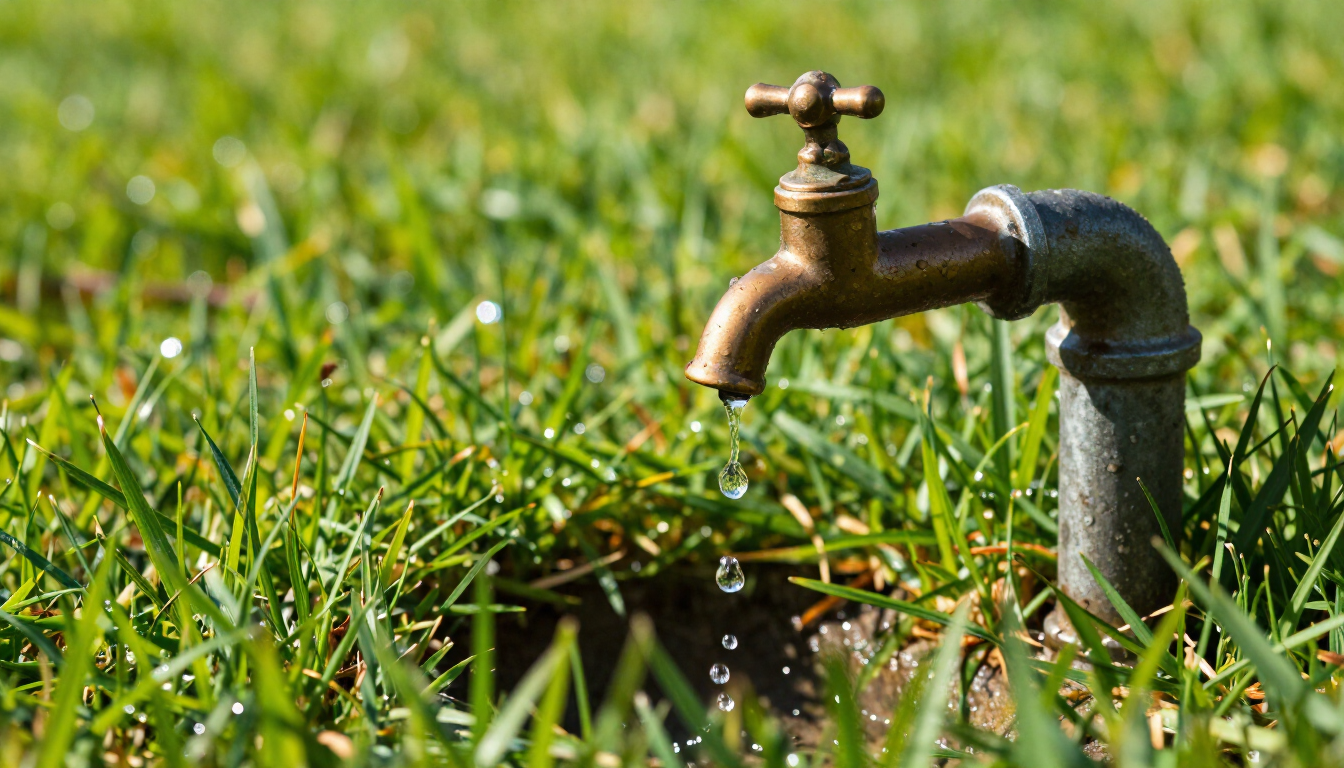
- Outdoor Spigot and Hose Bib Leaks: After a winter of inactivity, outdoor faucets are often found to be leaking from the stem or the connection point. This is frequently due to worn-out washers or seals that dried out or cracked during the colder months.
- Irrigation System Malfunctions: Your sprinkler system is a maze of underground pipes. If you notice a soggy patch in your lawn despite no rain, you likely have a cracked underground line or a faulty sprinkler head.
- AC Condensate Line Clogs: Your air conditioner removes moisture from the air, which drains through a small pipe. If this line clogs with algae or debris, the water backs up and leaks into your home, often through the ceiling.
- Pool Fill Line Issues: If you have an automatic fill for your pool, a leak in this line can waste thousands of gallons of water before you even realize there is a problem.
- Increased Stress on Well Pumps: For those with well pump services, the higher demand for water during summer can cause an aging pump to cycle too frequently, leading to overheating and failure.
How do I know if I have a hidden water leak?
You don't always see water spraying across the room when a leak occurs. In fact, the most dangerous leaks are the ones you can't see. Here are five ways to determine if your home is suffering from a silent leak:
- Monitor Your Water Bill: A sudden, unexplained spike in your monthly bill is the most common indicator of a hidden leak.
- Check the Water Meter: Turn off every tap and water-using appliance in your house. Check your water meter, wait two hours without using any water, and check it again. If the dial has moved, you have a leak.
- Listen for Running Water: In a quiet house, listen for the sound of water rushing through pipes or a faint hissing sound behind walls when no water is being used.
- Look for Surface Changes: Be on the lookout for warped floorboards, bubbling wallpaper, or discolored spots on the ceiling.
- Smell for Mustiness: Hidden leaks often lead to mold growth in wall cavities, creating a persistent musty odor that doesn't go away with cleaning.
Professional Plumbing Diagnostics and Repairs
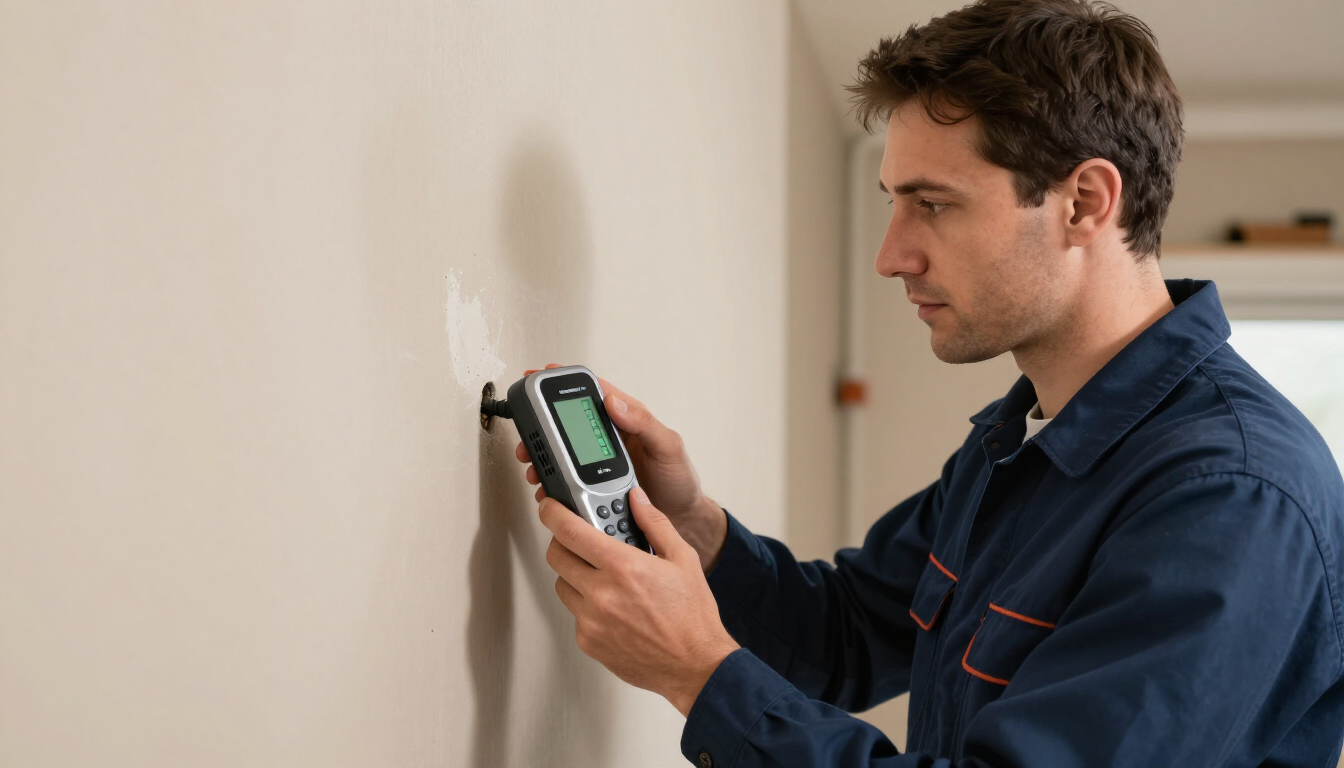
When a leak is suspected but its location is unknown, you need professional plumbing diagnostics and repairs. Modern technology has changed how we find leaks. Gone are the days of always having to tear down random sections of drywall to find a dripping pipe. Some cases, this is still required, but in some situations, we are able to use modern technology to prevent drywall damages.
At Gainesville Plumbing, we utilize acoustic leak detection, thermal imaging, and sewer cameras to pinpoint the exact source of the problem. This non-invasive approach ensures that we only cut where necessary, saving you time and money on home repairs. For outdoor issues, such as blocked sewer lines or sluggish drains caused by summer root growth, we offer hydro jetting to clear the lines completely without damaging the pipes.
What should I do if a pipe bursts in my home?
A busted pipe is a high-stress situation, but acting quickly can minimize the damage. If you find yourself standing in a puddle, follow these steps immediately:
- Shut Off the Water: Locate your main water shut-off valve. This is usually in the basement, crawlspace, or near the water meter. Turn it clockwise until it stops.
- Drain the Lines: Turn on all your faucets (both hot and cold) to drain the remaining water out of the pipes. This relieves pressure and stops the flow at the break point.
- Turn Off the Electricity: If the leak is near electrical outlets or your breaker box, shut off the power to those areas of the house to prevent fire or electrocution if possible.
- Document the Damage: Take photos and videos of the standing water and the source of the leak for your insurance company.
- Call Gainesville Plumbing: Contact our 24/7 emergency line to get a technician on-site immediately. We service all across North Georgia and can handle everything from residential plumbing to commercial plumbing emergencies.
Impact of Gainesville Soil on Pipe Longevity
The geography of North Georgia presents unique challenges. Our dense red clay holds moisture differently than sandy or loamy soils. In the summer heat, the clay can bake and become incredibly hard, while heavy summer thunderstorms can turn it into a shifting, heavy mass. This constant expansion and contraction is a leading cause of slab leaks and cracked main lines in the Gainesville area.
If you live in an older home, your pipes may be made of galvanized steel or older copper that has thinned over time. These materials are particularly susceptible to the soil movement common in our region. In these cases, we often recommend plumbing remodeling and repiping to upgrade your home to modern, flexible PEX piping that handles ground shifts much more effectively.
Preventive Summer Maintenance Tips
While we are always ready to help with a repair, we prefer to help our customers avoid the headache of a leak in the first place. A little bit of preventive maintenance goes a long way during the hot Georgia months.
- Inspect Your Water Heater: High summer temperatures can lead to thermal expansion. Ensure your water heater’s expansion tank is functioning correctly and check the pressure relief valve.
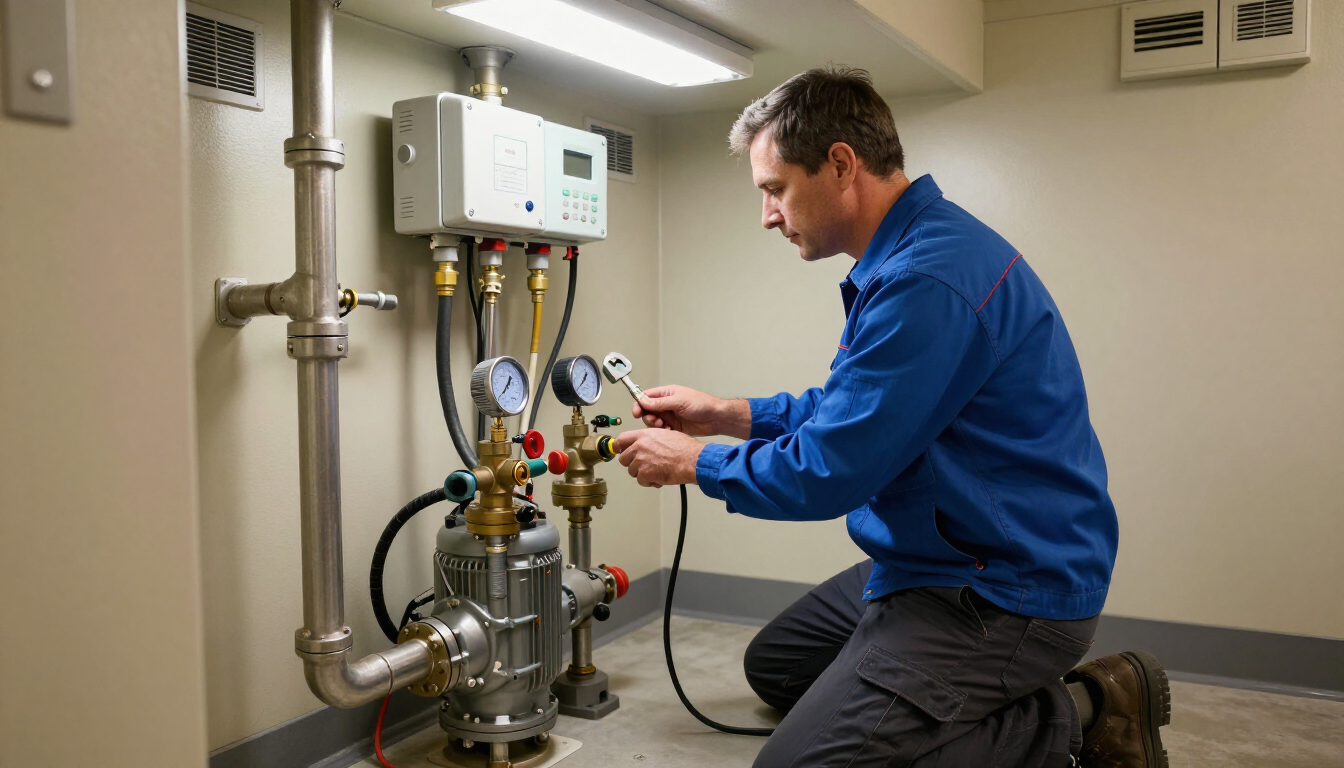
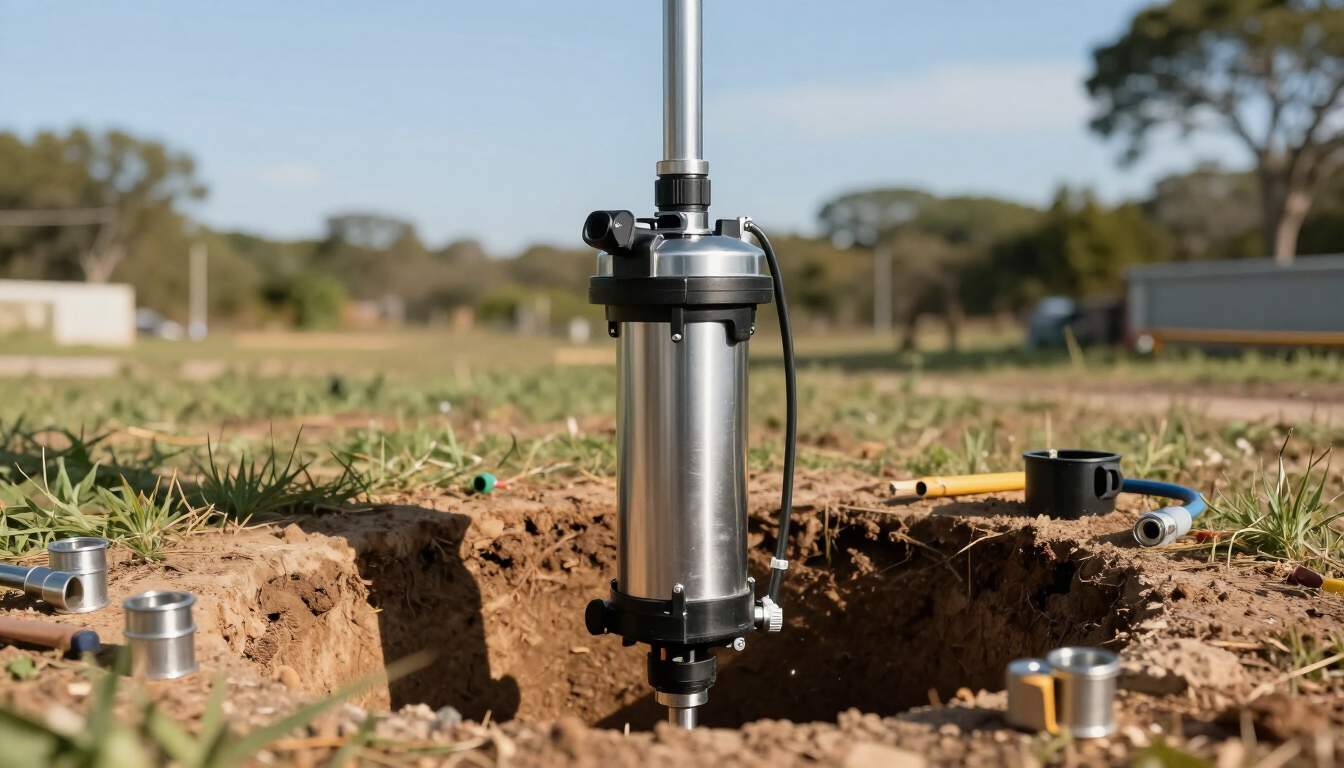
- Maintain Your Well System: If you are on a well, ensure your pressure tank is properly charged. Increased summer demand can burn out a pump if the tank isn't doing its job. We offer comprehensive well pump services to keep your water flowing.
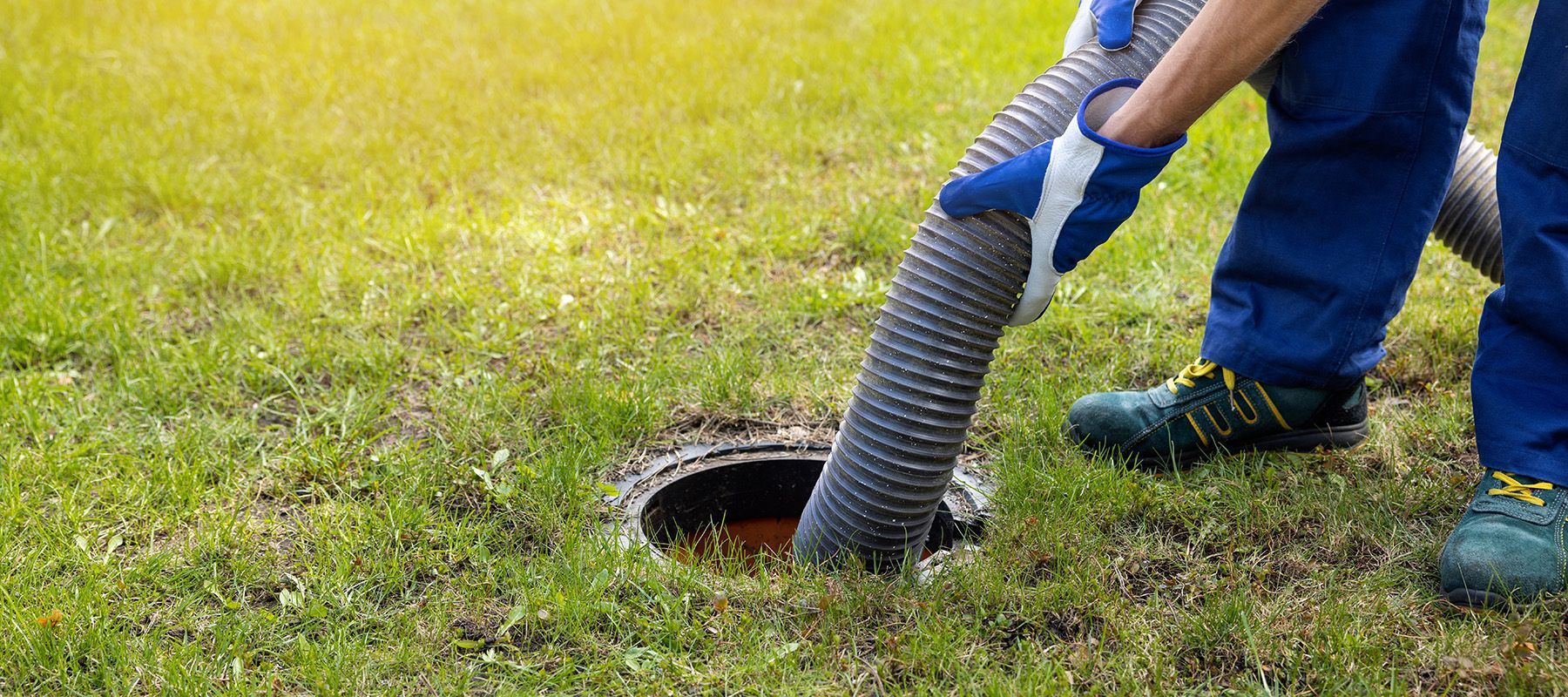
- Clean Out Your Septic Filter: Increased water use can overwhelm a septic system. Checking your filters and scheduling septic pump services before the summer rush can prevent backups.
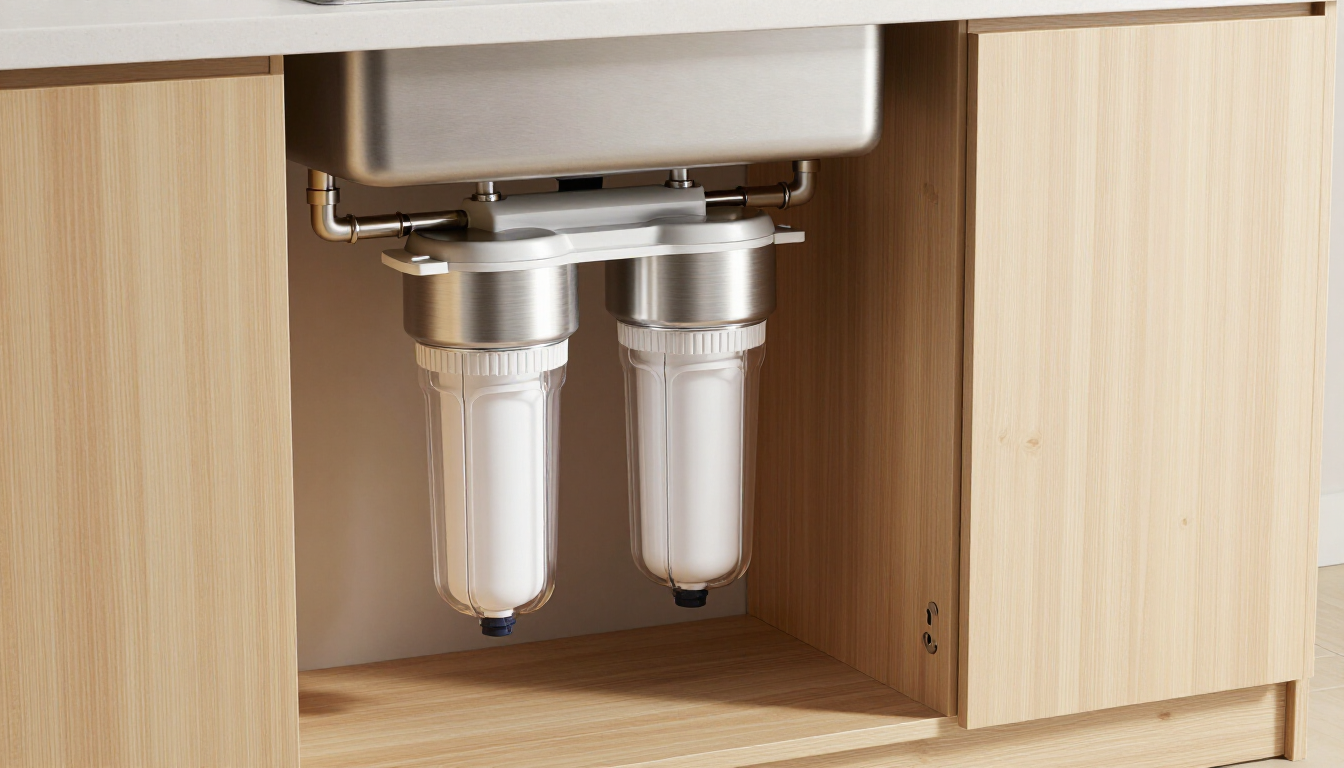
- Install Water Filtration: Summer heat can sometimes affect local water quality or well water taste. A high-quality water filtration system ensures your family has clean, cool water all season long.
Summary of Summer Leak Prevention and Response
Summer in Gainesville, GA, is a time for relaxation, but it’s also a time of high stress for your plumbing. By staying vigilant and monitoring your water usage, you can catch leaks before they cause major damage.
- Act Fast: At the first sign of a leak, shut off the water.
- Trust the Experts: Hidden leaks require professional diagnostics to find without destroying your walls.
- Maintenance is Key: Schedule an inspection for your well pump, water heater, and outdoor lines before the heat peaks.
- Local Matters: Choose a licensed and insured team that understands North Georgia’s soil and climate.
If you suspect a leak, notice a sudden drop in water pressure, or have a plumbing emergency, the team at Gainesville Plumbing is available 24/7. From new construction plumbing to emergency repairs, we are here to serve our neighbors in Gainesville and across North Georgia. Contact us today at 770-718-1063 to schedule your plumbing health checkup.