
7 Warning Signs Your Well Pump Is About to Fail (2026)
By Anastasia Roberts • August 24, 2026

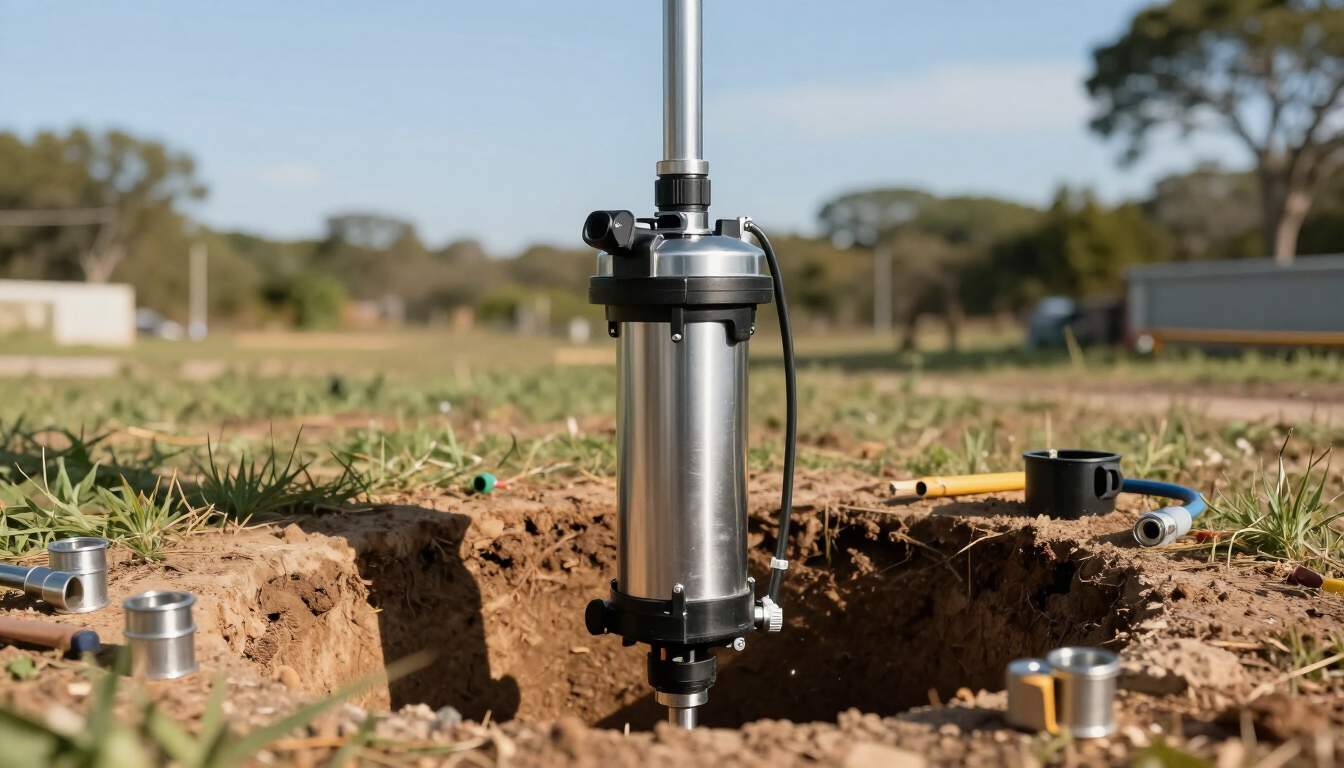
A failing well pump typically exhibits seven warning signs: fluctuating water pressure, sputtering faucets, unusually high electricity bills, muddy or sandy water, constant pump cycling, strange noises from the tank, or a complete lack of water. Early detection prevents expensive emergency replacements and systemic plumbing damage in your Gainesville home.
What are the most common well pump failure signs?
Living in North Georgia, we rely heavily on our private wells to provide clean, consistent water for our families and businesses. However, because the pump is often hidden deep underground or tucked away in a well house, it is easy to forget it exists until something goes wrong. Recognizing the early symptoms of a bad well pump can save you from a morning without a shower or a costly emergency call. The most frequent signs include:
- Significant drops in water pressure
- Air bubbles or "spitting" from the kitchen and bathroom faucets
- A sudden, unexplained spike in your monthly electric bill
- Discolored water or sediment appearing in your sinks and tubs
- The pump turning on and off rapidly (short-cycling)
- Grinding or clicking noises coming from the pressure tank
- Total loss of water flow to the property
If you notice any of these issues, it is time to consult with a professional who specializes in well pump services. Ignoring these red flags often leads to a total mechanical breakdown, which can happen at the most inconvenient times.
Why is my water pressure suddenly low?
Low water pressure is often the first indicator that your well pump is struggling to meet demand. While it could be a simple clogged filter, it frequently points to a pump that can no longer pull water efficiently from the aquifer. As the internal components of the pump wear down, they lose their ability to create the necessary suction or lift to push water into your home’s plumbing system.
In Gainesville, many homes deal with fluctuating water tables. During dry spells, your pump may have to work harder to reach lower water levels. If the pump is aging, this extra strain can cause the motor to overheat or the impellers to fail. If you experience a slow trickle when multiple faucets are running, your pump is likely nearing the end of its lifespan. This is a critical time to schedule plumbing diagnostics and repairs to determine if the issue is the pump itself or a leak in the well pipe.
Can a high electric bill indicate well pump trouble?
You might be surprised to find that your utility bill is a diagnostic tool for your plumbing system. A well pump that is failing or clogged with sediment will run much longer than necessary to reach the required pressure cut-off point. Because well pumps are high-voltage appliances, every extra minute they run adds up quickly on your power bill.
If your pump is "short-cycling," meaning it turns on and off every few seconds, it is drawing a massive amount of starting current repeatedly. This not only wastes energy but also burns out the motor's start capacitor and windings. If your electricity costs have jumped without a change in your household habits, listen for the sound of your pump running. If it seems to never stop, you likely have a pressure switch issue or a failing pump motor that needs immediate attention from a residential plumbing expert.
Why does my faucet spit air when I turn it on?
Sputtering faucets, often described as the plumbing "coughing," occur when air enters the water lines. In a well system, this usually happens for two reasons. First, the water level in your well may have dropped below the pump’s intake, causing it to suck in air along with the water. Second, there could be a crack or hole in the drop pipe that connects the pump to the surface.
This air isn't just an annoyance; it's a sign that your pump is being subjected to cavitation. Cavitation occurs when air bubbles collapse against the pump's internal parts, causing physical damage to the metal or plastic components. If left unaddressed, this will lead to total pump failure. Furthermore, air in the lines can indicate that your well is running dry, which may require deepening the well or lowering the pump, tasks that require professional plumbing services to handle safely.
Identifying Muddy or Sandy Water in Your Taps
If you turn on the tap and see cloudy, brown, or sandy water, your well pump is likely pulling in silt from the bottom of the well. This happens when the pump is positioned too low or when the well screen has degraded. Sand is incredibly abrasive; as it passes through your pump, it acts like sandpaper, grinding down the impellers and seals.
Beyond damaging the pump, sediment in your water can clog your internal plumbing, ruin your water heater, and damage high-end appliances like dishwashers and washing machines. If you notice a change in water quality, it is vital to evaluate both your pump and your water-filtration system. A Gainesville Plumbing professional can help you determine if the pump needs to be raised or if your well requires cleaning to prevent further mechanical damage.
Understanding the "Short Cycling" Phenomenon
Short cycling is perhaps the most common cause of premature well pump failure. Ideally, your pump should turn on, fill your pressure tank, and then stay off until the tank is mostly empty. If the pump turns on every time you flush a toilet or wash your hands, the system is short cycling.
This is often caused by a waterlogged pressure tank. When the internal bladder of the pressure tank fails, there is no air cushion to provide pressure, forcing the pump to turn on the instant water is used. The constant "on-off" action creates immense heat in the motor. While the tank might be the primary culprit, the strain usually kills the pump shortly after. Checking your tank’s air pressure regularly is a key part of maintenance, but if the cycle has already become rapid, you need to call for help before you are left with plumbing emergencies like a total lack of water.
Does a noisy well pump mean it's broken?
Well pumps are designed to operate relatively quietly. If you start hearing loud clunks, grinding sounds, or a high-pitched hum, the bearings in the motor are likely failing. In some cases, the noise may come from the pressure tank or the check valve, but a mechanical "screech" is almost always the sound of a pump on its last legs.
Because most pumps in Gainesville are submersible (located deep inside the well), you might not hear the pump itself. Instead, you might hear the pipes in your home vibrating or the pressure switch clicking rapidly. Any new or unusual sound in your well house should be treated as a warning. Mechanical failures rarely fix themselves, and a small noise today can turn into a snapped shaft or a seized motor tomorrow.
Understanding the Gainesville Groundwater Environment
North Georgia’s geology presents unique challenges for well systems. Our region is characterized by the Piedmont plateau, which consists of hard metamorphic rocks like gneiss and schist. Unlike coastal areas where water moves through soft sand, our water is often trapped in fractures within the bedrock. This means that well depths in Gainesville can vary significantly from one property to the next.
Because our groundwater can be high in minerals and sediment, well pumps in our area are subject to more wear and tear than in other regions. The mineral content can lead to scale buildup on the pump’s intake, while the heavy rains we see in Georgia can sometimes wash surface sediment into older, improperly sealed wells. Understanding these local factors is why choosing a local team for your well pump services is so important; we know the specific challenges our soil and rock layers pose to your equipment.
Professional vs. DIY Well Pump Troubleshooting
It can be tempting to try and fix well issues yourself, but well pumps involve a dangerous combination of high-voltage electricity and pressurized water. Submersible pumps require heavy machinery to pull them from hundreds of feet underground. Even a simple pressure switch replacement can be hazardous if the power isn't correctly disconnected or if the tank is under excessive pressure.
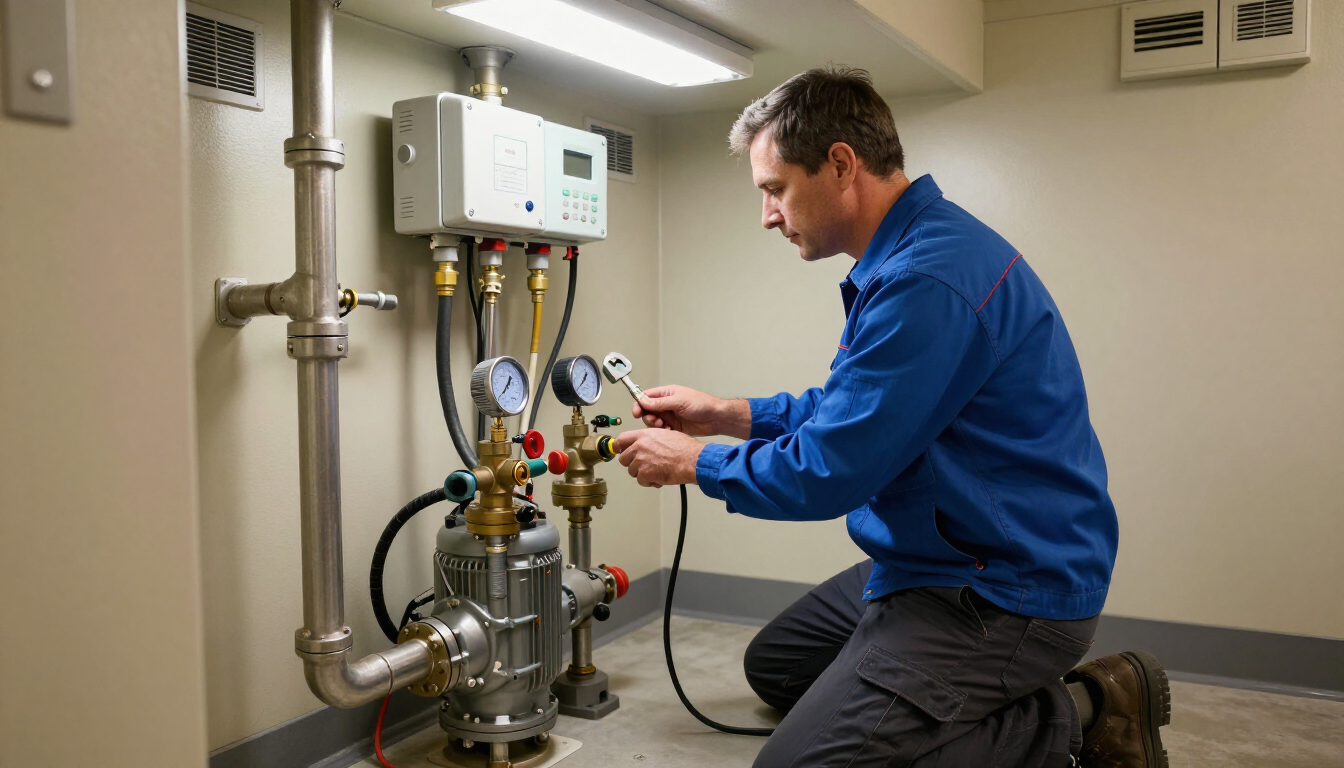
Professional plumbers have the tools to perform "down-hole" inspections and electrical testing that a homeowner simply can't do. We can check the amperage draw of the motor, test the insulation resistance, and use specialized gauges to see if the problem is a leak in the pipe or a failure of the pump’s internal valves. By hiring a professional for plumbing diagnostics and repairs, you ensure the job is done safely and that the root cause, not just the symptom, is addressed.
How can Gainesville Plumbing help with well pump repairs?
At Gainesville Plumbing, we understand that water is the lifeblood of your home. We offer 24/7 service to ensure that Gainesville residents are never left stranded by a failed pump. Our team is licensed and insured, bringing years of experience to every job, whether it’s a simple pressure switch adjustment or a full pump replacement.
We provide a comprehensive range of services, including:
- Emergency pump replacement and repair
- Pressure tank installation and maintenance
- Water quality testing and filtration solutions
- Well head protection and sealing
- Electrical troubleshooting for well controllers
We don't just fix the immediate problem; we look at your entire system to ensure it is running as efficiently as possible, saving you money on utilities and preventing future breakdowns. If you suspect your well pump is on the verge of failing, don't wait for the water to stop completely. Contact Us today to schedule an inspection.
Summary of Well Pump Warning Signs
Maintaining a reliable water supply in North Georgia requires vigilance and proactive care. By keeping an eye out for the symptoms of well pump failure, you can avoid the stress of a total water outage.
- Monitor Pressure: Watch for sudden drops or fluctuations during peak usage.
- Listen for Noises: Pay attention to clicking, grinding, or rapid cycling sounds.
- Check Your Bills: An unexplained rise in electricity costs is a major red flag.
- Inspect Water Quality: Look for air, sand, or discoloration in your faucets.
- Act Quickly: Early repairs are always cheaper than emergency replacements.
If you are experiencing any of these issues, the experts at Gainesville Plumbing are ready to help. Whether you need residential plumbing support or large-scale commercial plumbing solutions, we have the expertise to get your water flowing perfectly again.
Need a Reliable Plumber?
Let the licensed and insured plumbing team at Gainesville Plumbing serve you today!
SHARE THIS