Lake Lanier has more than 600 miles of shoreline, and a lot of it is lined with houses that sit empty for weeks at a time, get used hard on holiday weekends, and were plumbed on sloped lots with long runs to the water. That combination creates a specific set of plumbing problems. We work on lake homes from Gainesville and Flowery Branch around to Buford, Cumming and Dawsonville every week; here is what we have learned.
The turnover-day checklist
Whether you are opening the house for the season or arriving for a weekend, do this before the first shower:
1. Walk the crawl space or basement and look for water, stains or a running sound.
2. Turn the main on slowly and listen. If the well pump or meter keeps running with no faucets open, you have a leak somewhere.
3. Run every faucet and flush every toilet. Stale water and dried-out traps are normal; water that stays discolored is not.
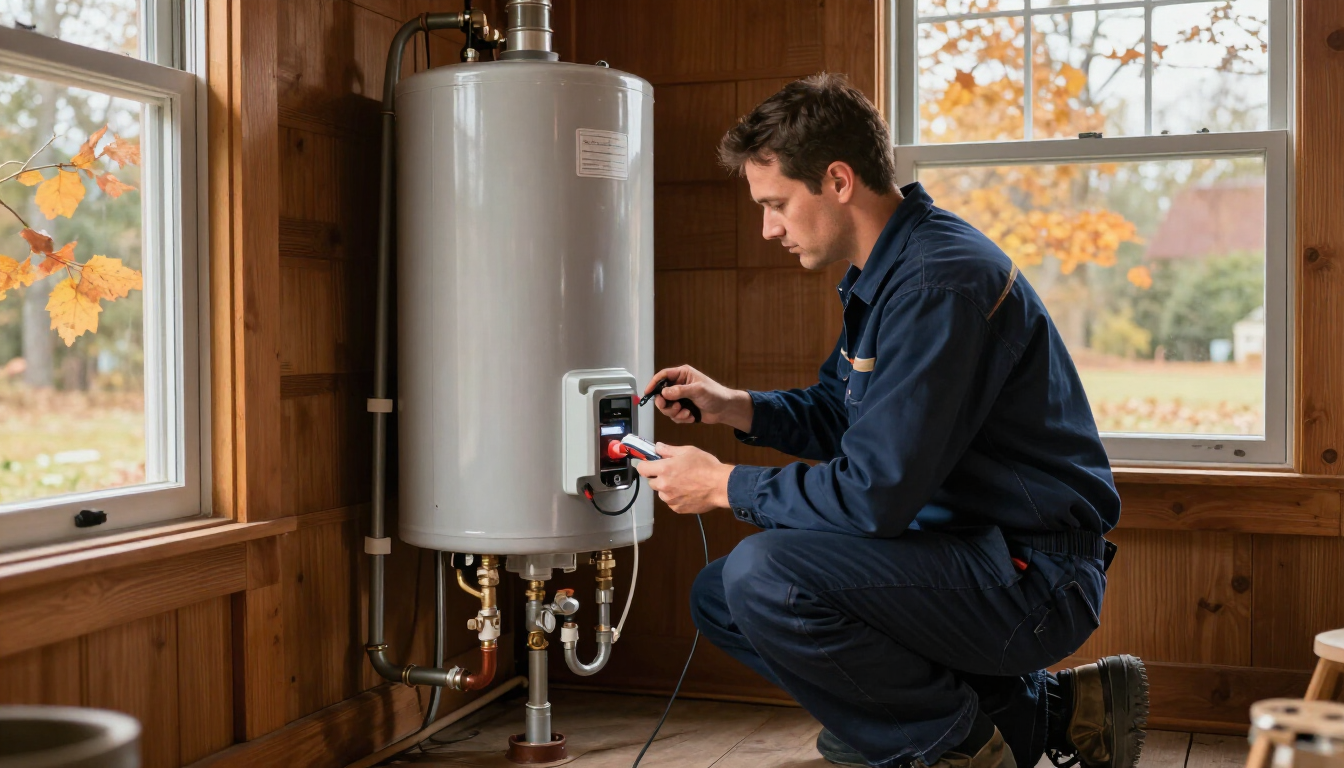
4. Check the water heater: for electric units left on, listen for rumbling (sediment); for units left off, let it heat fully before first use.
5. Look at the outdoor spigots and any dock-side hose bibs for freeze damage.
Winterizing a lake house
If the house will be empty in winter, the safest approach is a full winterization: shut off the main or pump, open all faucets, drain the water heater, blow out the lines with compressed air, and add RV antifreeze to toilet bowls and traps. The lighter option, leaving heat on at 55°F and dripping faucets, works most winters but failed for a lot of people during the hard freezes we have had. If you choose the heat-on route, have someone check the house during any multi-day freeze. Our freeze guide
has the full prevention list.
Lake water pumps and irrigation
Many lakefront homes pull lake water for irrigation with a dock or shoreline pump. Two rules: there must be a backflow preventer so lake water can never cross into the home's potable supply, and the pump and its line need to be drained before freezing weather. Lake-fed irrigation also pulls up silt and algae, so a screen or filter at the intake saves sprinkler heads.
Long absences and leak protection
A supply line that lets go on a Tuesday in a house nobody visits until Friday can put thousands of gallons through the floors. For any second home we strongly recommend a smart water shutoff valve
that detects unusual flow and closes the main automatically, plus leak sensors under the water heater and washing machine. We install these and they pay for themselves the first time they trip.
Septic on the lake
Most Lake Lanier homes are on septic, and lake-lot drain fields are often small, steep and close to the water. Heavy weekend use after weeks of nothing is hard on them. Spread laundry out, pump on schedule, and never let a sprinkler system run over the drain field. More in our Hall County Septic Guide.
Older lake homes: polybutylene and galvanized pipe
Houses built around the lake from the late 1970s through the mid-1990s often have grey polybutylene supply pipe, which becomes brittle and fails without warning, or galvanized steel that rusts shut from the inside. If your lake house has either, a planned repipe in PEX
is the single best upgrade you can make.
Opening, closing or buying a lake house?
Call 770-718-1063
or book online.
Back to the North Georgia Plumbing Guide.