
Plumbing in Gainesville & Hall County: What Homeowners Should Know
By • October 23, 2026

City water vs. wells, what is in the walls by era, septic rules and freeze risk for Gainesville, Oakwood, Clermont and the rest of Hall County.
Gainesville Plumbing has been based on Fullenwider Road for decades, and Hall County is home turf. This guide covers what makes plumbing here a little different, whether you are in a 1920s house near the Gainesville square, a newer subdivision in Oakwood or Flowery Branch, or on acreage out toward Clermont and Lula.
City water or well? Sewer or septic?
The City of Gainesville's utility serves the city and a large part of the county with water drawn from Lake Lanier; it is treated, chlorinated and moderately soft. Sewer coverage is much smaller than water coverage, so plenty of homes have city water and a septic tank. Outside the utility footprint, especially north and east of town, homes are on private wells. If you are not sure, your water bill (or lack of one) and a look for a well cap in the yard will tell you. Each setup has its own guide: Well Water 101 and the Hall County Septic Guide.
What is in the walls, by era
• Pre-1960s (older Gainesville neighborhoods, downtown, Green Street area): galvanized steel supply lines and cast iron drains. Galvanized pipe rusts shut, causing low pressure and brown water; cast iron eventually cracks. Both are candidates for a planned repipe.
• 1960s–1970s: copper supply lines, which are good, but on acidic well water they develop pinhole leaks. Check for blue-green staining.
• Late 1970s–mid 1990s: watch for grey polybutylene supply pipe. It fails without warning and most insurers do not like it. Replacement is the fix.
• 1995–today: CPVC or PEX supply, PVC drains. Generally reliable; the common issues are builder-grade water heaters and fixtures reaching end of life around year 10–15.
Hall County specifics
• Septic permits and records go through Hall County Environmental Health. If you are adding a bedroom or a pool, the septic system's permitted capacity matters.
• Freeze risk is real every winter for crawl-space homes. See the freeze guide.
• Red clay makes drain fields and yard drainage slow; it also makes sewer line repairs a dig rather than a quick fix, which is why we use camera inspection first.
• Growth around Oakwood, Flowery Branch and the 985 corridor means a lot of 5–15-year-old homes hitting their first round of water heater and fixture replacements.
Water heaters: tank or tankless?
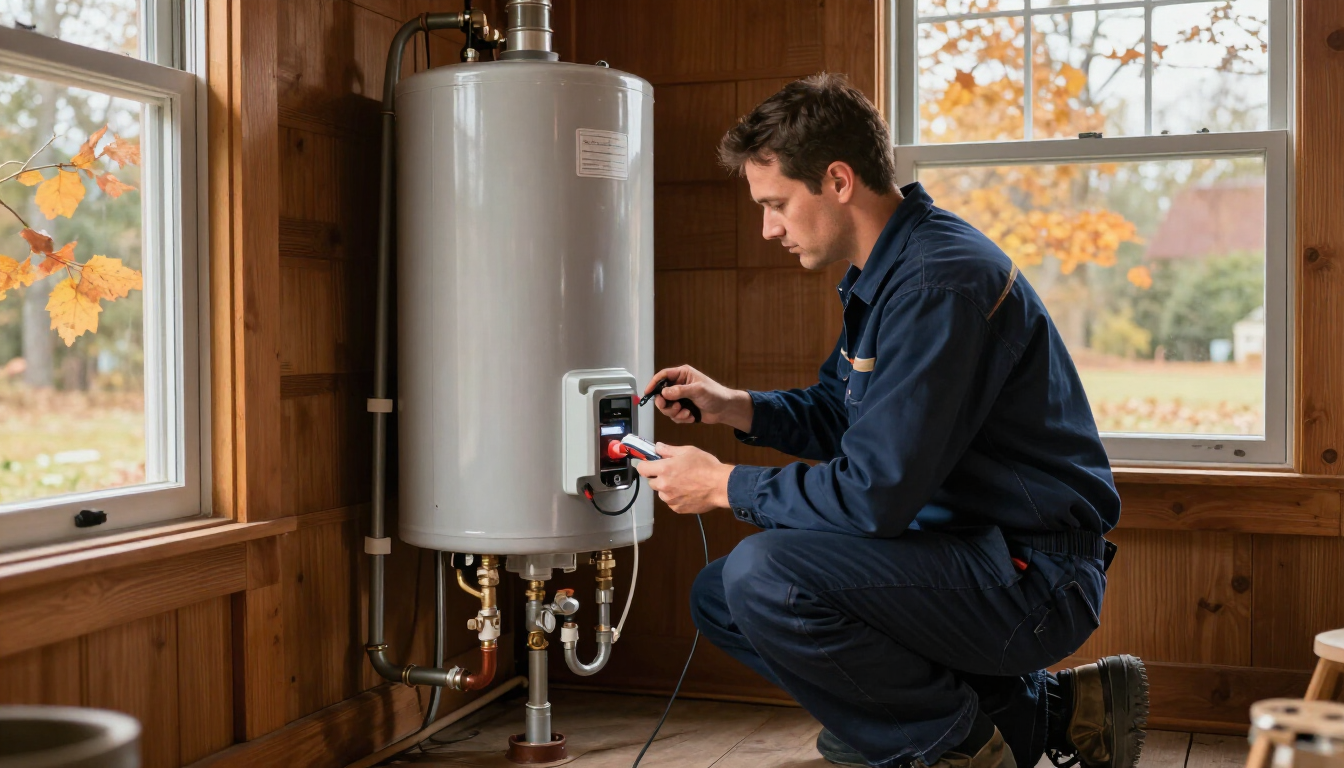
Gainesville's moderately soft city water is friendly to tankless units; well water with hardness or iron needs treatment first or a tankless heater will scale up fast. For most families a quality 50-gallon tank is still the value choice; tankless makes sense for large households, limited space, or anyone tired of running out of hot water.
Who we serve in Hall County
Gainesville, Oakwood, Flowery Branch, Clermont, Lula, Murrayville, Gillsville and the lake communities in between, plus commercial work for the restaurants, churches, schools and medical offices that make up a lot of Gainesville's business district. See commercial plumbing.
Hall County homeowner with a question? Call 770-718-1063 or book online.
See all service areas or return to the North Georgia Plumbing Guide.
Need a Reliable Plumber?
Let the licensed and insured plumbing team at Gainesville Plumbing serve you today!
SHARE THIS